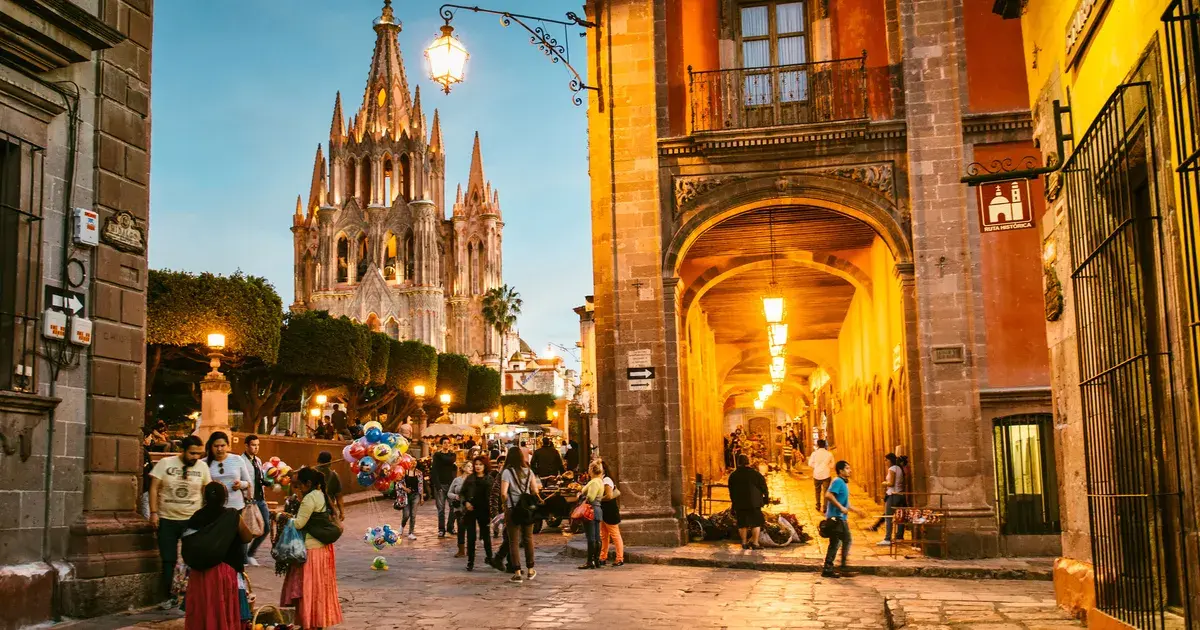
Coffee Culture in San Miguel de Allende
San Miguel de Allende has been named one of the world's best cities by Travel + Leisure for nearly a decade running. Visitors come for the colonial architecture, the art galleries, the festivals, and the food. Increasingly, they also come for the coffee. Over the past five years, a wave of specialty coffee shops has transformed SMA from a place where you drank cafe de olla on a park bench into a genuine coffee destination with beans sourced from farms a few hundred kilometers south.
As a UNESCO World Heritage city that draws expats, artists, and travelers from every continent, San Miguel has a unique coffee culture shaped by the collision of Mexican tradition, international expectations, and a growing appreciation for single origin quality. Here is what makes drinking coffee in this city different from anywhere else.
Where Can You Get Good Coffee in San Miguel de Allende?
You can get good coffee in San Miguel de Allende at a growing number of specialty cafes concentrated in the Centro historico and the surrounding colonias. The best cafes in SMA share a few things in common: they source from Mexican farms, they roast in small batches (often on-site or nearby), and they employ baristas trained in extraction and latte art. Ki'bok Coffee on Diez de Sollano y Dávalos is part of this movement, serving organic, single origin beans from Chiapas and Oaxaca in a space designed for both quick espressos and slow pour-over sessions.
Beyond the specialty shops, San Miguel retains its traditional coffee culture. Corner tiendas still serve cafe de olla, the piloncillo- and cinnamon-sweetened clay-pot coffee that predates espresso machines in Mexico by centuries. Market stalls in the Mercado de Artesanias sell bags of Veracruz and Chiapas beans roasted dark in the regional style. This coexistence of old and new is part of what makes the San Miguel de Allende coffee scene so distinctive.
What Makes Coffee Culture in SMA Different From Other Mexican Cities?
What sets San Miguel's coffee culture apart is its international community. Unlike Mexico City or Guadalajara, where the specialty coffee boom is driven primarily by young Mexican professionals, SMA's cafe scene serves an audience that includes American and Canadian retirees, European artists, Japanese visitors, and Mexican weekenders from the Bajio region. This means a cafe here might serve a cortado to a painter from Brooklyn, an Americano to a retired couple from Toronto, and a matcha latte to a visitor from Kyoto, all before noon.
This multilingual, multicultural clientele pushes SMA cafes to be more versatile than their counterparts in larger cities. Menus tend to be bilingual or trilingual. Baristas explain brewing methods patiently to people who have never seen a V60 alongside regulars who have been drinking specialty for years. The result is a coffee culture that is both welcoming and surprisingly sophisticated.
What Is the History of Coffee in San Miguel de Allende?
San Miguel de Allende is not itself a coffee-growing region. The city sits at 1,900 meters in the semi-arid highlands of Guanajuato, too dry and too cold at night for coffee cultivation. But its history as a cultural crossroads has always brought goods and ideas from Mexico's coasts and southern mountains northward. Coffee arrived in SMA's cafes and kitchens in the 19th century, most likely from Veracruz, which was then the country's dominant coffee region and a major trading partner with the Bajio.
The modern cafe culture emerged in the 2000s, catalyzed by the city's booming tourism and expat population. Early specialty shops introduced the idea that Mexican coffee could be more than a dark roast commodity. By the 2020s, San Miguel de Allende travel guides were listing coffee shops alongside galleries and restaurants as essential stops, a recognition of how central the cafe experience had become to visiting the city.
How Does San Miguel's Art Scene Influence Its Cafes?
San Miguel's art scene directly shapes its cafe culture. Many of the best cafes in SMA double as informal galleries, with rotating exhibitions on their walls and design-forward interiors that reflect the city's creative energy. At Ki'bok, our space on Diez de Sollano y Dávalos is as much about atmosphere as it is about extraction. The warm tones, the natural light, the curated quiet all exist because we believe that where you drink coffee affects how it tastes.
This is not accidental. San Miguel is home to one of Mexico's oldest art schools (the Escuela de Bellas Artes, founded 1938) and hosts major cultural events throughout the year, from the Festival de Jazz to the Harvest Festival to the Festival de Escritores. During these events, cafes become gathering points where the line between audience and performer, visitor and local, blurs over cortados and conversation. Things to do in San Miguel de Allende often start with a good cup of coffee and a seat by the window.
What Should You Order at a Specialty Coffee Shop in SMA?
At a specialty coffee shop in San Miguel de Allende, start with whatever the barista recommends as the current single origin. This rotates frequently and gives you the most direct expression of Mexican terroir. If you prefer milk-based drinks, a cortado or flat white will let the bean's flavor come through while adding texture. For something uniquely local, ask for a cafe de olla variation, several SMA shops now prepare it with specialty-grade beans and real piloncillo.
At Ki'bok, our menu features pour-over flights that let you taste two or three origins side by side. It is the fastest way to understand how Chiapas differs from Oaxaca, or how a washed process compares to a natural. We also serve cold brew, espresso, and a selection of pastries from local bakers that pair with our roast profiles.
When Is the Best Time to Visit San Miguel's Cafes?
The best time to visit San Miguel's cafes is mid-morning, between 9:00 and 11:00, when the light in Centro is golden and the pace is unhurried. Weekday mornings are quieter, making them ideal for a slow pour-over and a book. During festival weeks (particularly Semana Santa, Dia de los Muertos, and the September independence celebrations), cafes fill early and the energy shifts from contemplative to electric.
San Miguel's climate is another gift to its coffee culture. At 1,900 meters, mornings are cool enough year-round to make a hot cup of coffee feel right, even in May. Afternoons warm into the low 80s Fahrenheit, making cold brew and iced lattes equally appealing. There is no bad season for coffee in this city.
“In San Miguel, a good cafe is not a place you pass through on your way somewhere else. It is a place you go on purpose, and often the best part of the day.”
Frequently Asked Questions
Where to get good coffee in San Miguel de Allende?
The best specialty coffee in San Miguel de Allende is found in Centro, particularly along the streets surrounding the Jardin Principal. Ki'bok Coffee on Diez de Sollano y Dávalos serves organic, single origin Mexican beans roasted for specialty-grade extraction. Several other quality cafes operate in Centro and the surrounding neighborhoods.
Is San Miguel de Allende a coffee-producing region?
No. San Miguel sits in the semi-arid highlands of Guanajuato at 1,900 meters and does not have the tropical climate needed for coffee cultivation. However, the city's cafes source beans directly from Mexico's premier growing regions in Chiapas, Oaxaca, and Veracruz, making it an excellent place to drink Mexican specialty coffee.
Do coffee shops in San Miguel have English-speaking staff?
Yes. Most specialty coffee shops in Centro cater to an international clientele and have bilingual (English and Spanish) staff. Ki'bok serves visitors in English, Spanish, and Japanese, reflecting the diversity of San Miguel's community.
What is cafe de olla?
Cafe de olla is a traditional Mexican coffee preparation brewed in a clay pot (olla de barro) with piloncillo (unrefined cane sugar), cinnamon, and sometimes clove or orange peel. It predates espresso culture in Mexico and remains a beloved part of the country's coffee identity. Many specialty shops in SMA offer modern interpretations using high-quality beans.
Experience Coffee in San Miguel
Come visit Ki'bok in Centro, just steps from the Jardin Principal. We are open daily and welcome coffee lovers from everywhere.
Plan Your Visit